
When evaluating bullet-resistant backpacks, one of the most important specifications you will encounter is NIJ Level IIIA. This rating is often referenced, but understanding what it actually means in practical terms is essential when comparing ballistic backpacks.
What NIJ Ratings Represent
NIJ stands for the National Institute of Justice, which establishes standardized testing protocols for ballistic-resistant armor. These standards are designed to create consistent, repeatable benchmarks for how armor performs under controlled conditions.
Rather than relying on general descriptions, NIJ ratings define specific test criteria. These include the type of ammunition used, the velocity of each round, and the performance requirements the armor must meet during impact. This allows ballistic products to be evaluated against clearly defined threat levels.
What NIJ Level IIIA Is Tested Against
NIJ Level IIIA is the highest rating for soft body armor and is commonly used in bullet-resistant backpacks due to its balance between protection and usability.
Under NIJ testing protocols, Level IIIA armor must stop high-energy handgun rounds such as .357 SIG and .44 Magnum, fired at defined velocities under controlled conditions.
These rounds are selected because they represent some of the most demanding handgun threats. If armor can stop them within NIJ standards, it demonstrates a high level of performance within the handgun threat category.
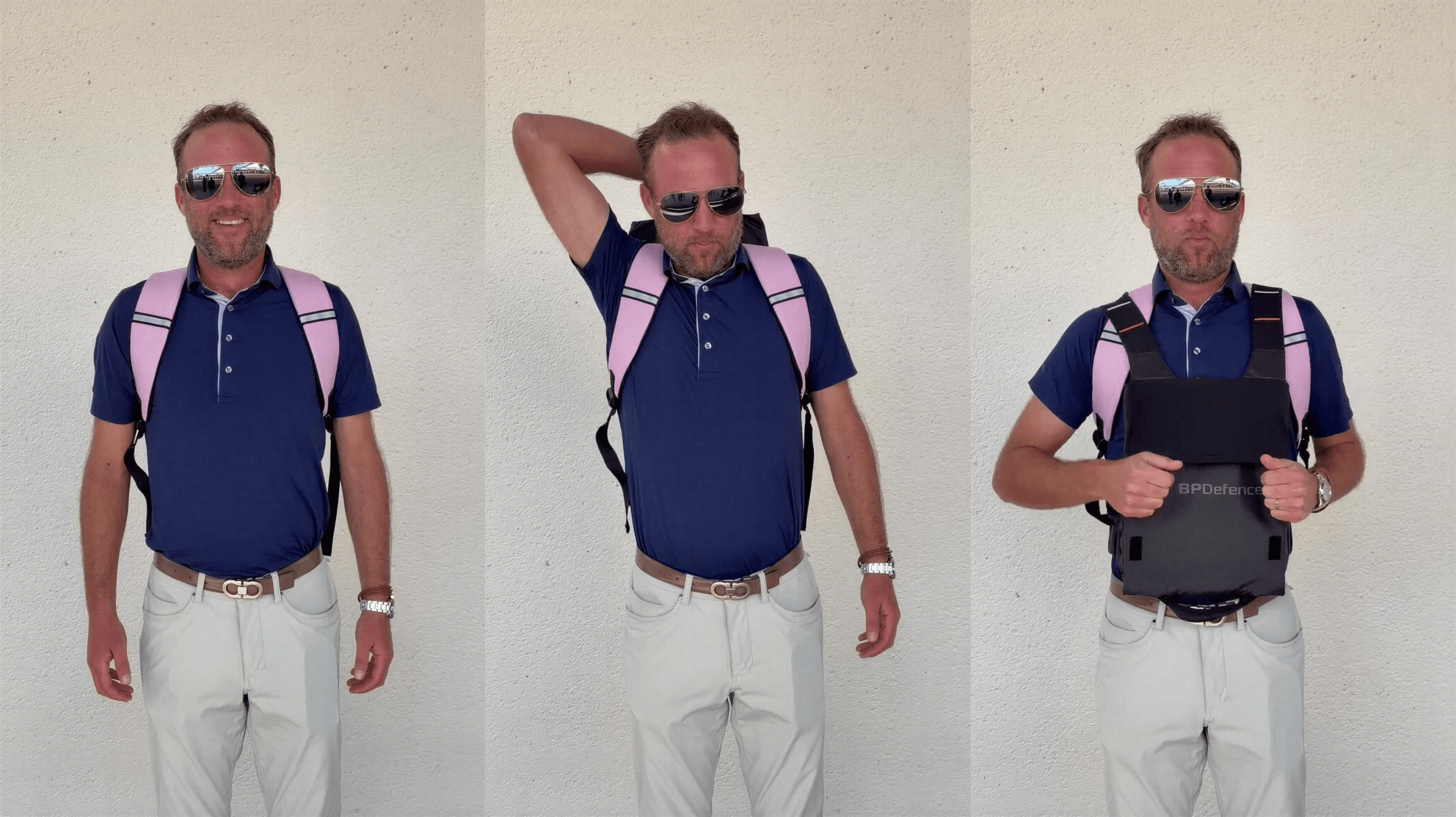
How This Translates to Real-World Protection
Because Level IIIA armor is tested against high-energy handgun rounds, it generally protects a wide range of lower-energy handgun calibers as well.
For ballistic backpacks, this makes Level IIIA a practical choice. It allows meaningful protection while maintaining the flexibility and weight required for everyday carry.
At BP Defence, this balance is a key design consideration. Our ballistic panels are engineered to meet NIJ Level IIIA standards while remaining lightweight enough to integrate into a backpack without compromising usability.
What NIJ Level IIIA Does Not Cover
NIJ Level IIIA is specifically designed for handgun threats. It is not intended to stop rifle rounds, which operate at significantly higher velocities and energy levels.
Stopping rifle ammunition requires higher-rated armor systems such as Level III or Level IV plates. These systems are rigid, heavier, and not suited for the type of flexibility expected from ballistic backpacks.
Understanding this distinction is critical. NIJ ratings are not general indicators of “strength”, but defined categories of protection based on specific threat types.

Why NIJ Standards Matter When Comparing Ballistic Backpacks
In a market where terms like “bulletproof” are often used loosely, NIJ ratings provide a reliable reference point.
For buyers comparing bullet-resistant backpacks, the NIJ rating offers clarity about what the armor has actually been tested to stop. It removes ambiguity and allows products to be evaluated based on verified performance rather than marketing language.
At BP Defence, every ballistic panel undergoes independent laboratory testing to confirm it meets the required NIJ performance standards before being released. This ensures that the stated protection level reflects documented results, not assumptions.
Putting NIJ Level IIIA Into Perspective
NIJ Level IIIA represents a clearly defined level of handgun protection supported by standardized testing. For a ballistic backpack, it offers a balance between performance, weight, and everyday practicality.
Understanding how this rating works allows ballistic backpacks to be evaluated based on measurable criteria. Instead of relying on broad claims, the focus remains on what the armor is designed to stop, how it is tested, and how it performs within those defined limits.